

Table of Contents
You know that split second of panic when things don’t work the way they’re supposed to?
When your body betrays you at the worst possible moment, and you’re left wondering what the hell just happened. And more importantly, whether it’s going to happen again.
Here’s what nobody tells you: Most men have no idea how erections actually work. They just expect them to happen automatically, like breathing or blinking.
But when something goes wrong—whether it’s inconsistent performance, weaker erections, or complete failure to launch—you’re left grasping for answers.
Is it physical? Mental? Are you getting old? Is this just how it’s going to be now?
The truth is, understanding how your erection health actually works is the difference between panic and confidence. Between feeling helpless and taking control.
Because here’s the reality: Erections are incredibly complex biological events involving multiple body systems working in perfect coordination. When you understand what’s really happening, you can identify what might be going wrong—and more importantly, what you can do about it.
This isn’t just about fixing problems. It’s about optimizing a system that directly affects your confidence, your relationships, and how you feel about yourself as a man.
The Machinery You Never Think About (Until Something Goes Wrong)
Let’s be honest—you probably never gave much thought to how erections work until you had a reason to worry.
For most of your life, they just… happened. Reliably, automatically, sometimes even when you didn’t want them to.
Why Understanding Your Body Matters More Than You Think
Here’s what happens when you don’t understand the machinery:
- Every small variation feels like a crisis
- You assume the worst about normal changes
- You try random “fixes” that don’t address root causes
- You develop anxiety that makes everything worse
- You avoid intimacy to avoid potential embarrassment
But when you understand how the system actually works, everything changes.
Knowledge gives you power to:
- Distinguish between normal variations and real problems
- Identify which factors are affecting your performance
- Make targeted improvements instead of shooting in the dark
- Communicate intelligently with healthcare providers
- Take proactive steps to maintain and improve function
Research on health literacy and treatment outcomes for sexual dysfunction indicates that men who understand their sexual physiology have significantly better treatment outcomes and lower anxiety.
The Confidence Cost of Not Knowing What’s Normal
Here’s the psychological trap most men fall into: You assume every change or variation means something is seriously wrong.
You don’t know that erection quality naturally varies with stress, sleep, health, and dozens of other factors. You don’t know that some changes with age are normal and manageable.
So you panic. And that panic creates its own problems.
The anxiety spiral looks like this:
- You notice a performance issue
- You assume it’s permanent or getting worse
- Anxiety about performance affects your next sexual encounter
- Poor performance due to anxiety “confirms” your fears
- Increased anxiety makes the problem worse
- Avoidance and depression follow
Understanding the actual mechanisms breaks this cycle by giving you realistic expectations and actionable solutions.
The Remarkable Engineering Behind Every Erection
Think of an erection as a perfect storm of biology—multiple complex systems that have to coordinate flawlessly for about 10-30 seconds to achieve something that seems simple but is actually miraculous.
It’s Not Just “Blood Flow” – The Real Story
Most people think erections are just about blood flow. Blood goes in, penis gets hard. Simple, right?
Wrong. Here’s what actually has to happen:
- Your brain processes sexual stimuli and decides to initiate the response
- Neural signals travel from brain to spinal cord to penile nerves
- Hormonal systems adjust to support sexual function
- Blood vessels in the penis relax and expand dramatically
- Venous drainage slows to trap blood in erectile chambers
- Multiple feedback loops maintain the erection
- Eventually, the whole system reverses to return to normal
That’s like saying a Formula 1 race car is “just about going fast.” Technically true, but it misses the incredible engineering involved.
Three Systems Working in Perfect Harmony
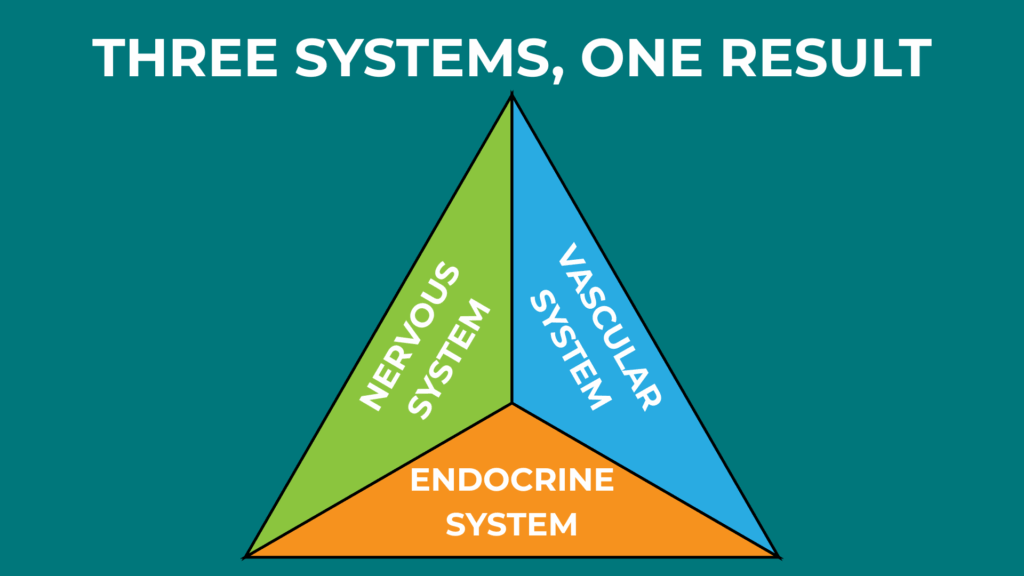
Every erection requires seamless coordination between:
- Nervous system – Brain signals, spinal cord transmission, local nerve function
- Vascular system – Arterial dilation, venous restriction, blood pressure regulation
- Endocrine system – Hormonal balance, nitric oxide production, chemical messaging
A comprehensive review of erectile physiology mechanisms details how these systems interact in ways that scientists are still discovering.
When all three systems are healthy and coordinated, you get reliable, strong erections. When any system falters, performance suffers.
Why This Complexity Actually Protects You
Here’s the counterintuitive truth: The complexity of erection physiology is actually a feature, not a bug.
This system evolved to be sensitive to your overall health status. It’s like a canary in a coal mine for your cardiovascular, neurological, and hormonal health.
Why this sensitivity is actually protective:
- Erection problems often predict heart disease 3-5 years before cardiac symptoms
- Performance issues can signal diabetes, hypertension, or other health problems
- Changes alert you to stress, sleep, or lifestyle issues affecting your health
- Early detection allows intervention before more serious health consequences
Your erection health is communicating important information about your overall well-being. Learning to interpret these signals can literally save your life.
Your Cardiovascular System: The Foundation of Everything
Your heart and blood vessels don’t just keep you alive—they’re the foundation of your sexual performance.
If you want to understand erection health, you need to understand circulation.
Blood Vessels as the Highway System
Think of your circulatory system like a highway network delivering supplies to different parts of your body.
For erections, you need:
- Arterial highways that can rapidly increase blood delivery
- Capillary side streets that efficiently distribute blood throughout penile tissue
- Venous return roads that can slow down to keep blood where it’s needed
- Traffic control systems (nitric oxide) that coordinate the whole network
A study on penile vascular anatomy and erectile function reveals that the penis possesses an independent fibro-vascular assembly, functioning as a distinct vascular system within the human body. This unique vascular structure underscores the sensitivity of penile blood flow to circulatory issues.
When your vascular system is healthy, this network operates flawlessly. When it’s compromised, erections suffer first.
Blood Pressure and Erection Quality Connection
Here’s the blood pressure paradox:
- Too low = insufficient pressure to fill erectile chambers
- Too high = damaged blood vessels that can’t function properly
- Just right = optimal flow and pressure for strong erections
How blood pressure problems affect erections:
- High blood pressure damages the delicate penile blood vessels over time
- Blood pressure medications can reduce blood flow or interfere with nerve signals
- Sudden pressure drops (from standing quickly, dehydration) can cause temporary problems
- Poor pressure regulation creates inconsistent erection quality
Research on hypertension and erectile dysfunction relationship found that men with high blood pressure have 2–3 times higher rates of erection problems.
Why Your Heart Health Predicts Your Sexual Health
The cardiovascular-sexual health connection is direct:
- The same factors that protect your heart protect your erections
- Damage to your cardiovascular system shows up in sexual function first
- Improving heart health almost always improves sexual performance
- Cardiovascular exercise specifically benefits erection quality
Heart-healthy habits that boost erection health:
- Regular aerobic exercise that improves circulation
- Diet rich in nitric oxide-boosting foods
- Stress management to protect blood vessel function
- Adequate sleep for cardiovascular recovery
- Avoiding smoking and excessive alcohol
[Link to: How to Improve Blood Flow for Better Erections (Without Drugs)]
Nervous System Control: When Your Brain Runs the Show
Your nervous system is the command center that initiates, maintains, and controls erections.
But here’s where it gets tricky: You have both conscious and unconscious control over this system.
The Autonomic vs. Conscious Control Battle
Two different nervous system branches control erections:

- Parasympathetic nervous system – “Rest and digest” mode that promotes erections
- Sympathetic nervous system – “Fight or flight” mode that inhibits erections
Here’s the problem: Modern life keeps most men in sympathetic overdrive.
Sympathetic dominance (stress mode) causes:
- Reduced blood flow to sexual organs
- Increased muscle tension that interferes with erection
- Hormonal changes that suppress sexual function
- Mental preoccupation that blocks sexual focus
- Anxiety that creates a self-reinforcing cycle
Parasympathetic activation (relaxation mode) enables:
- Increased blood flow to penis
- Muscle relaxation that supports erection
- Hormonal balance that promotes sexual function
- Mental calm that allows sexual focus
- Confidence that reinforces good performance
How Stress Hijacks Your Sexual Response
Chronic stress literally rewires your nervous system away from sexual function.
When you’re constantly stressed, your body prioritizes survival over reproduction. Makes sense from an evolutionary perspective, but it wreaks havoc on your sex life.
How stress affects erection physiology:
- Elevates cortisol, which suppresses testosterone
- Increases adrenaline, which constricts blood vessels
- Creates muscle tension that interferes with blood flow
- Disrupts sleep, which is crucial for hormone production
- Causes mental preoccupation that blocks sexual arousal
[EXTERNAL LINK NEEDED: Research on chronic stress and male sexual dysfunction] shows that stress management interventions improve erection quality in 70-80% of men with stress-related sexual problems.
The Psychological-Physical Feedback Loop
Here’s where things get really interesting: Your thoughts and emotions directly affect your physical sexual response, which then affects your thoughts and emotions.
The confidence cycle:
- Good erection → increased confidence → relaxation → better erection
- Poor erection → decreased confidence → anxiety → worse erection
Breaking negative cycles:
- Understanding that occasional variations are normal
- Focusing on pleasure and connection rather than performance
- Using relaxation techniques to shift into parasympathetic mode
- Addressing underlying stress and anxiety issues
- Building overall health to support consistent function
Hormonal Influences: The Chemical Messengers
Hormones are like the chemical messaging system that coordinates all the other systems involved in erections.
And it’s way more complex than just “testosterone = erections.”
Testosterone’s Real Role (It’s Not What You Think)
Most men think testosterone directly causes erections. Not exactly.
Testosterone’s real roles in erection health:
- Libido and desire – T drives your interest in sex
- Nitric oxide production – T supports the chemical signals that cause erections
- Overall energy and confidence – T affects mood and motivation
- Muscle and blood vessel health – T maintains the physical structures needed for erections
But here’s the key insight: You can have normal testosterone and still have erection problems if other systems aren’t working properly.
A clinical study on testosterone levels and erectile function found that hypogonadism is not a common finding in ED, occurring in about 5% of cases, and in general, there is a lack of association between serum testosterone levels, when present in normal or moderately low levels, and erectile function.
When testosterone really matters:
- Libido is low along with erection problems
- Energy and motivation are also affected
- Muscle mass and strength are declining
- Blood tests show clinically low levels (not just “low normal”)
[Link to: The Testosterone and Libido Connection: What the Science Says]
Nitric Oxide: The Master Switch
If testosterone is the fuel, nitric oxide (NO) is the ignition switch.
Nitric oxide is the chemical signal that tells penile blood vessels to relax and allow increased blood flow.
How nitric oxide works:
- Sexual stimulation triggers NO release in penile tissue
- NO causes smooth muscle in blood vessels to relax
- Relaxed vessels allow dramatically increased blood flow
- Blood fills erectile chambers, creating rigidity
- NO production must be sustained to maintain erection
Factors that boost nitric oxide:
- Regular exercise (especially cardio)
- Foods rich in nitrates (leafy greens, beets)
- Adequate sleep and stress management
- Healthy weight and good circulation
- Certain supplements (L-arginine, L-citrulline)
Factors that impair nitric oxide:
- Smoking and excessive alcohol
- Poor diet and obesity
- Chronic stress and lack of sleep
- Sedentary lifestyle
- Diabetes and metabolic problems
[Link to: Nitric Oxide: The Underrated Molecule Behind Better Erections]
Other Hormones That Matter
The supporting cast of hormonal players:
- Dopamine – The “wanting” neurotransmitter that drives sexual motivation
- Serotonin – Can inhibit sexual function when too high (common with some antidepressants)
- Cortisol – Stress hormone that suppresses sexual function when chronically elevated
- Insulin – Poor insulin sensitivity affects blood flow and nerve function
- Thyroid hormones – Low thyroid function can cause erection problems
The hormonal optimization approach:
- Address stress to control cortisol
- Improve insulin sensitivity through diet and exercise
- Support thyroid function through nutrition and lifestyle
- Balance neurotransmitters through sleep, exercise, and stress management
- Only address testosterone if levels are actually clinically low
What Can Go Wrong (And Why It Happens)
Understanding the normal mechanisms helps you understand what goes wrong and why.
Most erection problems fall into three categories: vascular, neurological, or hormonal.
Vascular Problems: When Plumbing Fails
The most common cause of erection problems is poor circulation.
Vascular issues include:
- Atherosclerosis – Plaque buildup that narrows blood vessels
- Endothelial dysfunction – Blood vessel lining doesn’t work properly
- Venous leak – Blood flows out as fast as it flows in
- High blood pressure – Damages delicate penile blood vessels over time
- Diabetes complications – High blood sugar damages blood vessels and nerves
An epidemiological study on vascular causes of erectile dysfunction indicates that vascular problems account for 70–80% of physical erection issues.
Risk factors for vascular problems:
- Smoking (damages blood vessel lining)
- High cholesterol and triglycerides
- High blood pressure
- Diabetes and insulin resistance
- Obesity and sedentary lifestyle
- Age (natural wear and tear on blood vessels)
Neurological Issues: Communication Breakdowns
When the nervous system can’t send or receive proper signals, erections suffer.
Neurological causes include:
- Spinal cord injuries – Interrupt signals between brain and penis
- Diabetic neuropathy – High blood sugar damages nerves
- Multiple sclerosis – Autoimmune disease affecting nerve function
- Pelvic surgery complications – Surgical damage to nerves
- Chronic stress – Dysregulates autonomic nervous system
Signs of neurological involvement:
- Gradual onset over months or years
- Problems with sensation or numbness
- Issues with urination or bowel function
- Associated with other neurological symptoms
- Poor response to vascular treatments
Hormonal Imbalances: Chemical Chaos
When your hormonal system is out of whack, everything else suffers.
Hormonal causes include:
- Low testosterone – Clinically low levels, not just “low normal”
- High prolactin – Often caused by pituitary problems
- Thyroid disorders – Both high and low thyroid can affect function
- Insulin resistance – Poor blood sugar control affects circulation and nerves
- Chronic stress – Elevated cortisol suppresses sexual hormones
When to suspect hormonal issues:
- Low libido along with erection problems
- Fatigue, mood changes, or other systemic symptoms
- Gradual onset over months to years
- Family history of hormonal disorders
- Use of medications that affect hormones
How Aging Changes the Game
Let’s talk honestly about what happens to erection health as you get older.
Some changes are normal and expected. Others are problems you can address.
Normal Changes vs. Problems You Can Fix
Normal age-related changes:
- Slower arousal – Takes longer to achieve full erection
- More stimulation needed – Physical and mental stimulation requirements increase
- Longer recovery time – More time needed between erections
- Less spontaneous erections – Fewer random erections throughout the day
- Firmer touch required – May need more direct stimulation
Problems you can address:
- Sudden changes – Rapid deterioration over weeks or months
- Complete loss of function – No erections even with stimulation
- Associated symptoms – Pain, curving, or other concerning changes
- Impact on relationship – Avoiding intimacy due to performance concerns
- Psychological distress – Anxiety, depression, or identity issues related to sexual function
A longitudinal study on normal sexual aging in men found that while some changes are expected, significant dysfunction isn’t inevitable and often reflects treatable health issues.
The 40+ Reality Check
Here’s what typically happens after 40:
- Testosterone levels naturally decline 1-2% per year
- Blood vessel elasticity decreases
- Overall cardiovascular health becomes more important
- Stress and life responsibilities often increase
- Sleep quality may deteriorate
- Weight gain and decreased fitness are common
But here’s the good news: Men who maintain good overall health often have better sexual function at 50 than unhealthy men at 30.
[Link to: The Truth About Erections After 40 (and How to Keep Yours Solid)]
Adaptation Strategies That Actually Work
Successful aging with sexual health requires adaptation, not resignation.
Effective strategies:
- Focus on overall health – Cardiovascular fitness, healthy weight, good sleep
- Manage stress effectively – Chronic stress accelerates sexual aging
- Maintain regular sexual activity – “Use it or lose it” really applies here
- Communicate openly – Discuss changes and needs with your partner
- Seek help early – Address problems before they become entrenched
Adaptation mindset:
- Quality over quantity becomes more important
- Planning and intentionality replace spontaneity
- Emotional intimacy becomes more crucial for physical response
- Health optimization becomes a priority, not an option
- Professional help is seen as normal maintenance, not failure
Lifestyle Factors That Make or Break Performance
Your daily habits either support or sabotage your erection health.
There’s no neutral ground here—everything you do either helps or hurts.
The Circulation Killers You’re Probably Doing
Habits that destroy your vascular system:
- Smoking – Directly damages blood vessel lining and reduces nitric oxide
- Excessive alcohol – Impairs circulation and interferes with nerve function
- Sedentary lifestyle – Poor cardiovascular fitness affects all circulation
- Poor diet – Processed foods damage blood vessels and reduce nitric oxide production
- Chronic stress – Keeps you in sympathetic nervous system overdrive
How these habits specifically affect erections:
- Reduced blood flow to penile tissue
- Impaired nitric oxide production
- Increased inflammation that damages blood vessels
- Poor nerve function and reduced sensitivity
- Hormonal imbalances that suppress sexual function
The timeline of damage:
- Smoking can affect erections within weeks
- Poor diet shows effects within months
- Sedentary lifestyle creates problems within 6-12 months
- Chronic stress can impact function almost immediately
- Excessive alcohol has both acute and chronic effects
Exercise That Builds vs. Destroys Function
Not all exercise is created equal for sexual health.
Exercise that improves erection health:
- Cardiovascular training – Improves overall circulation and heart health
- Resistance training – Boosts testosterone and growth hormone
- Pelvic floor exercises – Strengthens muscles involved in erection and ejaculation
- Flexibility work – Reduces tension that can interfere with blood flow
- Regular walking – Simple but effective for circulation improvement
Exercise mistakes that can hurt sexual function:
- Chronic overtraining – Increases cortisol and suppresses testosterone
- Excessive endurance exercise – Can lower testosterone in some men
- Ignoring pelvic floor – Weak muscles contribute to erection and ejaculation problems
- Poor recovery – Overtraining without adequate rest harms overall health
- Bicycle seat problems – Poorly fitted bike seats can compress nerves and blood vessels
[EXTERNAL LINK NEEDED: Research on exercise and erectile function improvement] shows that men who exercise regularly have 30% better erectile function than sedentary men.
Sleep, Stress, and Sexual Health Connection
Sleep and stress are the foundation of hormonal health.
How poor sleep kills erection health:
- Reduces testosterone production by up to 15% after just one week
- Increases cortisol and inflammatory markers
- Impairs blood sugar regulation
- Reduces growth hormone production
- Creates fatigue that affects sexual motivation
How chronic stress destroys sexual function:
- Elevates cortisol, which suppresses testosterone
- Activates sympathetic nervous system, reducing blood flow
- Creates mental preoccupation that blocks sexual arousal
- Increases muscle tension that interferes with circulation
- Disrupts sleep, compounding all other problems
Sleep and stress optimization:
- Consistent sleep schedule with 7-9 hours nightly
- Stress management techniques (meditation, exercise, therapy)
- Boundaries around work and technology
- Regular relaxation and recovery time
- Professional help for chronic stress or sleep disorders
Modern Threats to Erection Health
Your grandfather didn’t face these challenges. But you do.
Digital Age Problems Your Dad Never Faced
Modern lifestyle factors affecting erection health:
- Pornography – Can create unrealistic expectations and desensitization
- Screen time – Reduces sleep quality and increases sedentary behavior
- Social media comparison – Increases anxiety and self-doubt
- Work stress – Always-on culture creates chronic stress
- Environmental toxins – Endocrine disruptors in plastics, chemicals
A study on pornography use and erectile dysfunction in young men found that 21.5% of sexually active men aged 18–35 reported some degree of erectile dysfunction. Higher levels of problematic pornography consumption were associated with increased likelihood of erectile difficulties, even after controlling for other factors.
How pornography can affect erection health:
- Creates unrealistic performance expectations
- May desensitize sexual response to normal stimulation
- Can interfere with arousal with real partners
- Often associated with excessive masturbation that affects sensitivity
- May contribute to performance anxiety and comparison issues
[Link to: Porn-Induced ED Is Real (Here’s How to Reverse It)]
Medications That Interfere
Common medications that can affect erection health:
- Antidepressants – Especially SSRIs, can significantly impact sexual function
- Blood pressure medications – Some types reduce blood flow or interfere with nerve signals
- Antihistamines – Can interfere with nervous system function
- Prostate medications – May affect nerve function and blood flow
- Pain medications – Opioids can suppress testosterone and sexual function
What to do about medication side effects:
- Never stop medications without medical supervision
- Discuss sexual side effects openly with your doctor
- Ask about alternative medications with fewer sexual side effects
- Consider timing adjustments if appropriate
- Explore additional treatments to counteract side effects
Environmental Factors You Can Control
Endocrine disruptors that may affect sexual health:
- Phthalates – Found in plastics, can interfere with hormone function
- BPA – In plastic containers and receipts, may affect testosterone
- Pesticides – Agricultural chemicals that can disrupt hormones
- Heavy metals – Lead, mercury, and others can affect nerve and blood vessel function
Practical steps to reduce exposure:
- Use glass or stainless steel instead of plastic for food and drinks
- Choose organic foods when possible, especially for the “dirty dozen”
- Filter drinking water to remove contaminants
- Avoid receipts and plastic packaging when possible
- Use natural cleaning and personal care products
When to Worry vs. When to Optimize
Not every erection variation requires panic or medical intervention.
But some signs definitely need professional attention.
Red Flags That Need Medical Attention
See a healthcare provider immediately for:
- Sudden onset – Rapid changes over days to weeks
- Painful erections – Pain during erection or that persists afterward
- Curved erections – New curvature that interferes with function
- Complete loss of function – No erections even with stimulation
- Associated symptoms – Chest pain, shortness of breath, neurological symptoms
See a healthcare provider soon for:
- Gradual decline over 3-6 months – Steady worsening of function
- Relationship impact – Avoiding intimacy due to performance concerns
- Psychological distress – Anxiety, depression, or identity issues
- Medication concerns – Suspect medications are causing problems
- Underlying health conditions – Diabetes, heart disease, or other chronic conditions
Clinical guidelines for when to seek medical evaluation for erectile dysfunction provide clear criteria for when professional help is needed.
Normal Variations That Don’t Require Panic
Normal fluctuations include:
- Occasional poor performance – Especially when tired, stressed, or distracted
- Seasonal variations – Some men notice changes with seasons or activity levels
- Age-related changes – Gradual, expected changes over years
- Stress-related temporary problems – Function returns when stress resolves
- Recovery variations – Different recovery times based on health, age, and circumstances
When to monitor vs. when to act:
- Monitor – Occasional issues that don’t follow a pattern
- Optimize – Gradual changes that might be related to lifestyle factors
- Act – Sudden changes, persistent problems, or impact on quality of life
The Self-Improvement vs. Medical Treatment Line
Try self-optimization first for:
- Gradual changes over months to years
- Issues that correlate with lifestyle factors
- Problems that improve with stress reduction or better health habits
- Concerns about normal aging changes
- Mild to moderate difficulties that don’t significantly impact quality of life
Seek medical evaluation for:
- Sudden or rapid changes
- Complete loss of function
- Associated physical symptoms
- Failure to improve with lifestyle optimization
- Significant impact on relationships or mental health
The integrated approach:
- Lifestyle optimization and medical treatment often work together
- Early intervention typically has better outcomes
- Professional guidance can help identify treatable causes
- Self-optimization efforts can enhance medical treatments
- Regular monitoring helps track progress and adjust approaches
Building Bulletproof Erection Health
Prevention and optimization are always better than treatment and recovery.
Here’s how to build a foundation for lifelong sexual health.
The Foundation Habits That Matter Most
The non-negotiable basics:
- Cardiovascular exercise – 150 minutes moderate intensity per week minimum
- Quality sleep – 7-9 hours nightly with good sleep hygiene
- Stress management – Daily practices to activate parasympathetic nervous system
- Healthy nutrition – Whole foods diet that supports circulation and hormone production
- Regular sexual activity – Use it or lose it really applies to sexual function
The 80/20 of erection health:
- Good circulation accounts for 80% of physical function
- Stress management accounts for 80% of psychological function
- These two factors interact and compound each other
- Master these fundamentals before worrying about advanced optimization
Advanced Optimization Strategies
Once you’ve mastered the basics:
- Pelvic floor training – Strengthens muscles involved in erection and ejaculation
- Cold exposure – May improve circulation and stress resilience
- Breath work – Trains autonomic nervous system for better stress response
- Specific supplements – Targeted support for circulation and hormone production
- Advanced devices – Pumps, rings, or other tools for enhancement or rehabilitation
[Link to: Best Devices for Penile Health: From Pumps to Red Light Therapy]
Monitoring and optimization:
- Track subjective measures like morning erections and ease of arousal
- Monitor objective health markers like blood pressure and resting heart rate
- Pay attention to correlation between lifestyle factors and sexual function
- Adjust strategies based on what works best for your individual situation
- Regular health checkups to catch problems early
Monitoring Your Progress Without Obsessing
Healthy tracking approach:
- Focus on overall trends rather than day-to-day variations
- Track lifestyle factors that affect function (sleep, stress, exercise)
- Notice correlations between health habits and sexual performance
- Celebrate improvements rather than fixating on problems
- Use objective measures when possible (blood pressure, fitness markers)
Avoid these tracking mistakes:
- Timing or scoring every sexual encounter
- Comparing current performance to unrealistic standards
- Obsessing over normal variations
- Using performance as the only measure of success
- Letting tracking create performance anxiety
The long-term mindset:
- Sexual health is part of overall health optimization
- Small, consistent improvements compound over time
- Prevention is always easier than treatment
- Quality of life and relationship satisfaction matter more than performance metrics
- Professional support is normal maintenance, not failure
Your Erection Health Action Plan
Understanding the science is just the beginning. Real improvement comes from applying that knowledge consistently.
Your immediate next steps:
- Assess which system might need the most attention (vascular, neurological, hormonal)
- Identify the 2-3 lifestyle factors most likely affecting your function
- Schedule a health checkup if you haven’t had one recently
- Begin implementing foundation habits (exercise, sleep, stress management)
- Consider professional help if you have concerning symptoms
For building long-term sexual health:
- Focus on overall health optimization rather than just sexual performance
- Address problems early rather than hoping they’ll resolve on their own
- Maintain open communication with your partner about changes and concerns
- View sexual health as an important component of overall well-being
- Stay informed about new research and treatment options
Remember these key insights:
- Erection health reflects your overall health status
- Multiple systems must work together for optimal function
- Age-related changes are normal, but dysfunction isn’t inevitable
- Lifestyle factors have enormous impact on sexual performance
- Early intervention and prevention are always preferable to treatment
Additional resources for your journey:
- [Link to: The Truth About Erections After 40 (and How to Keep Yours Solid)]
- [Link to: How to Improve Blood Flow for Better Erections (Without Drugs)]
- [Link to: Nitric Oxide: The Underrated Molecule Behind Better Erections]
- [Link to: Porn-Induced ED Is Real (Here’s How to Reverse It)]
- [Link to: Best Devices for Penile Health: From Pumps to Red Light Therapy]
The bottom line: Your erection health is a window into your overall health and vitality. Understanding how the system works gives you the power to optimize it.
You don’t have to accept declining sexual function as an inevitable part of aging. With the right knowledge and consistent action, you can maintain and even improve your sexual health throughout your life.
The men who age successfully aren’t necessarily the ones with the best genetics. They’re the ones who understand their bodies and take proactive steps to maintain optimal function.
You now have that understanding. What you do with it is up to you.
Frequently Asked Questions About Erection Health
Q: How do erections actually work from a scientific perspective? Erections require coordination between nervous, vascular, and hormonal systems. Sexual stimulation triggers nerve signals that cause penile blood vessels to relax, increasing blood flow while restricting outflow, creating rigidity.
Q: What’s the most important factor for maintaining healthy erections? Cardiovascular health is the foundation. Good circulation affects erection quality more than any other single factor, which is why heart-healthy habits also improve sexual function.
Q: Is it normal for erection quality to change with age? Some changes are normal—slower arousal, more stimulation needed, longer recovery times. However, significant dysfunction or complete loss of function isn’t inevitable and often indicates treatable health issues.
Q: How does blood pressure affect erectile function? Both high and low blood pressure can cause problems. High blood pressure damages delicate penile blood vessels, while some blood pressure medications can reduce blood flow or interfere with nerve signals.
Q: Can stress really cause physical erection problems? Absolutely. Chronic stress activates the sympathetic nervous system, which constricts blood vessels, elevates cortisol (suppressing testosterone), and shifts your body away from sexual function toward survival mode.
Q: What role does testosterone play in erection health? Testosterone is important for libido and overall sexual motivation, but only about 25% of men with erection problems have clinically low testosterone. Normal testosterone levels don’t guarantee normal erection function.
Q: When should I be concerned about erection changes? Seek medical attention for sudden changes, complete loss of function, painful erections, or changes accompanied by other symptoms. Gradual changes over months may warrant lifestyle optimization first.
Q: How does exercise improve erectile function? Exercise improves cardiovascular health, increases nitric oxide production, boosts testosterone, reduces stress hormones, and enhances overall circulation—all crucial for healthy erections.
Q: Can lifestyle changes really improve erection quality? Yes, significantly. Studies show that men who exercise regularly, maintain healthy weight, don’t smoke, and manage stress well have substantially better erectile function than those who don’t.
Q: What’s the connection between heart health and sexual health? The same blood vessels that supply your heart also supply your penis. Erection problems often predict heart disease by 3-5 years, making sexual health an important indicator of cardiovascular wellness.
Disclaimer: This content is for informational purposes only and is not a substitute for professional medical advice, diagnosis, or treatment. Always seek the advice of your physician or other qualified health provider with any questions you may have regarding a medical condition.


